
Connecting data, connecting lives: Reflections from IPDLN 2026
Categories: Data linkage programmes, Research using linked data, Blogs, Conferences, Research findings, ADR UK Partnership
24 July 2026
How can bringing together information from different parts of our lives help us understand national and global issues? ADR UK Director Dr Emma Gordon reflects on the International Population Data Linkage Network (IPDLN) Conference 2026, where experts from around the world gathered to explore the opportunities and challenges of linked data.
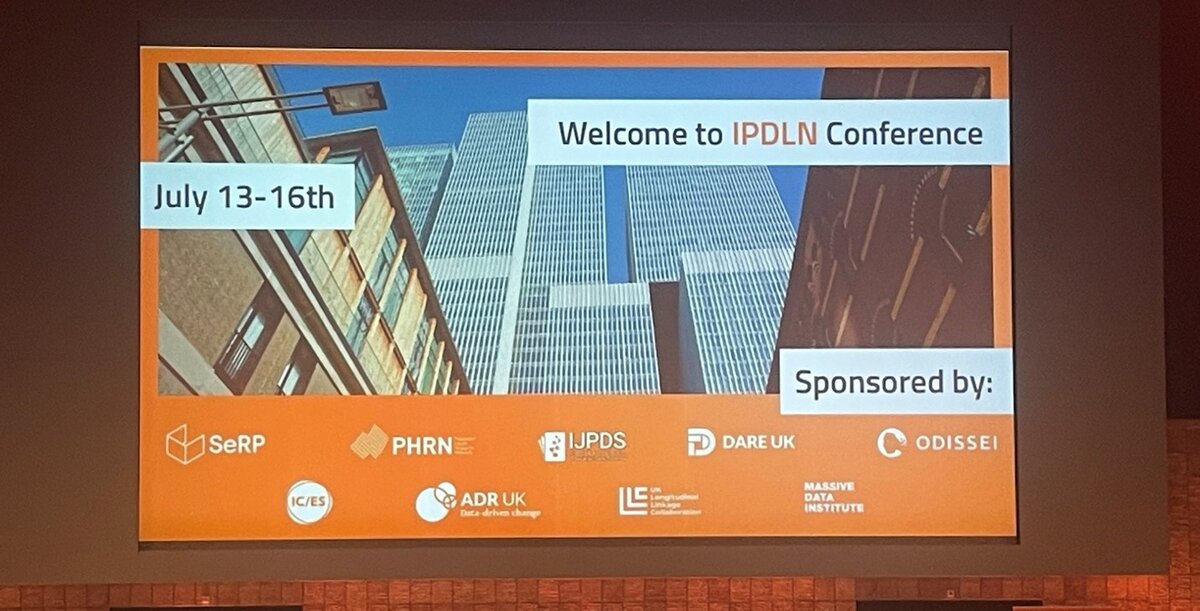
Last week, I had the pleasure of joining colleagues from across ADR UK at IPDLN 2026 in Erasmus University Rotterdam. Hosted by ODISSEI, the Netherlands’ national research infrastructure for the social sciences, the conference brought together researchers, policymakers and data specialists from more than 50 countries to explore how linked administrative and population data can help us better understand society, improve public services, and address complex challenges.
A strong ADR UK presence
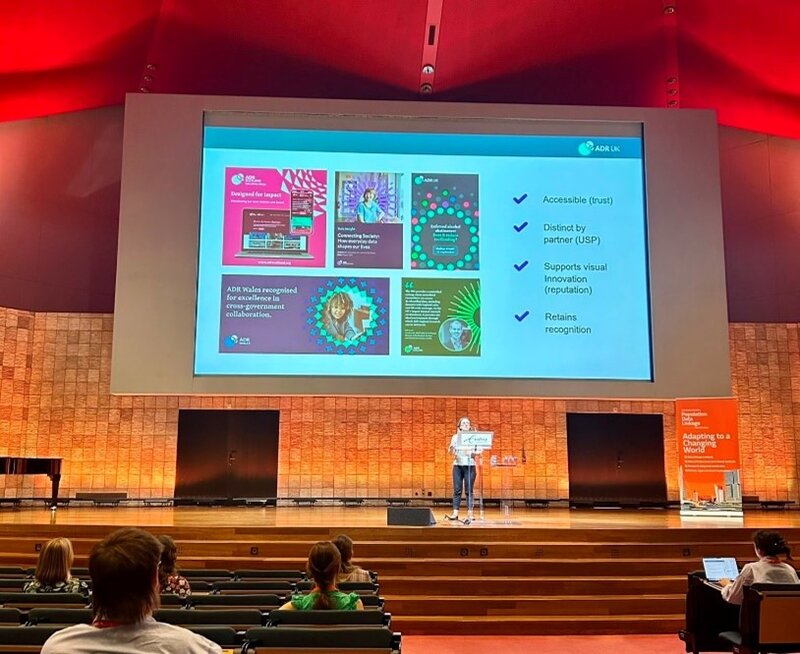
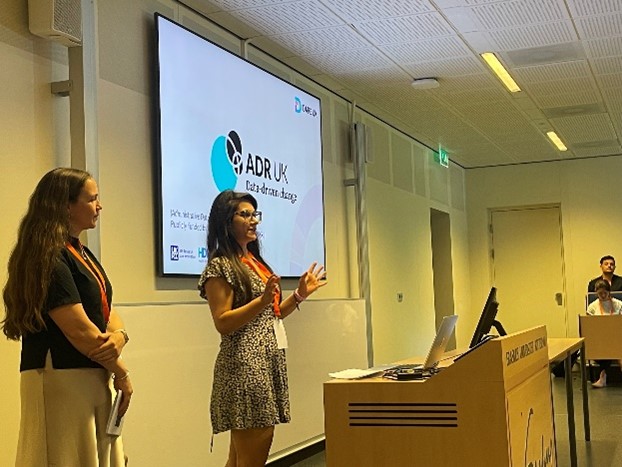
It was fantastic to see ADR UK so well represented throughout the conference, with colleagues and researchers from across all four nations sharing their work made possible through ADR UK’s data and infrastructure. They demonstrated the impact of linked data research across a wide range of areas, from health inequalities and social mobility to public engagement and technological innovation.
The conference was also a great opportunity to showcase the strength of the ADR UK partnership model. While each national partnership brings its own expertise, priorities and insights, seeing colleagues from ADR England, ADR Northern Ireland, ADR Scotland, and ADR Wales come together highlighted the value of working collectively towards a shared ambition: enabling responsible access to data for research that benefits society.
Alongside the conference programme, ADR UK hosted breakfast sessions exploring two areas shaping the future of data research: artificial intelligence and synthetic data. These discussions brought together researchers and practitioners to consider how emerging technologies can support innovation while maintaining public trust and ensuring data is used responsibly.
Learning from global leaders in data linkage
One of the many highlights of the conference was Professor Steven Ruggles’ keynote on the evolution of population data linkage in the United States. As the creator of IPUMS – one of the world’s largest population databases, bringing together information from billions of people across centuries of census and survey data – Ruggles (and before him his parents!) has spent decades demonstrating the value of making population data accessible for research.
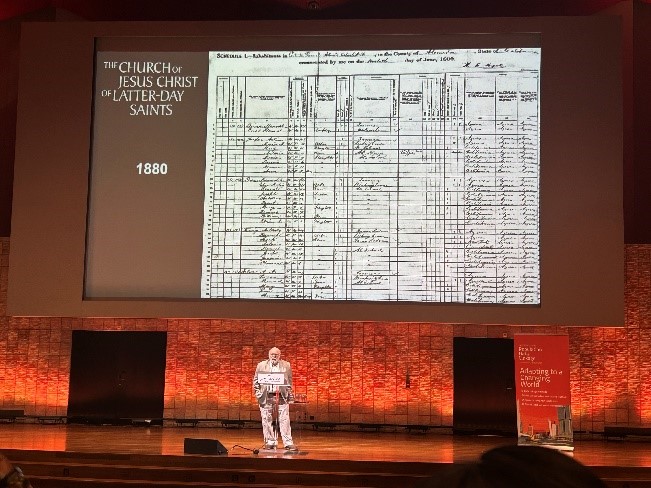
His talk revisited Halbert Dunn’s pioneering 1946 vision of creating a “book of life”: the idea that each person leaves behind a trail of records throughout their lives, from birth and education to employment and interactions with public services – all the way to death records. Linking this information allows researchers to understand people’s journeys in a much richer way than looking at individual data points in isolation.
What once felt out of reach is now far more achievable, both in the UK and internationally, as advances in data infrastructure and methodology make it easier to connect these fragments. However, Ruggles also highlighted that progress in data linkage must go hand in hand with trust, transparency and responsible governance. These principles are central to ADR UK’s work and the wider global data research community, ensuring that data is used ethically, securely, and for public benefit.
Looking ahead: The value of sharing knowledge across systems and borders
The conversations at IPDLN reinforced the importance of international collaboration. Many of the challenges researchers are exploring across the book of life – from inequalities to improving public services – bear resonances across countries, and there is much to learn from diverse approaches to data infrastructure, access and engagement.
The conference left me inspired by the breadth of research taking place across the global population data community, and proud of the role ADR UK is playing in this emerging landscape. Through our partnerships, infrastructure and support for researchers, we are helping to ensure that linked data can be used responsibly to generate evidence, inform policy and practice, and ultimately improve lives.